

How We Diagnose Tooth Pain: Vitality, Percussion, and the Tooth Sleuth
One of the most frustrating parts of tooth pain is not knowing which tooth is causing it. Pain can spread to the jaw, the ear, or even feel like a sinus problem. When you come to Evergreen Endodontics, our first job is to find the exact source of your discomfort. Identifying the precise source ensures we can tailor the right treatment for you and relieve your pain efficiently. Imagine trying to solve a puzzle without knowing what the final picture should look like. That is similar to diagnosing tooth pain without pinpointing the exact tooth causing the issue.
We do this through a series of simple, focused tests - a percussion test, vitality testing, and bite tests. None of them take long, and most are completely comfortable. The goal is not just to confirm that you need a root canal, but to understand why the tooth is hurting in the first place. This understanding helps prevent future issues and supports your overall dental health. These painless tests are a crucial first step in creating an effective treatment plan. Think of them as essential map tools for navigating to a pain-free dental experience.
What is a dental percussion test?
A percussion test is exactly what the name suggests: we tap gently on the tooth - usually with the blunt end of a mirror handle - and ask what you feel. Tapping along the long axis of the tooth (vertically) checks the ligament around the root tip. Tapping from the side (horizontal percussion) helps tell a tooth problem from gum or sinus tenderness. If the tooth is tender to percussion, it means the ligament that anchors the root is inflamed - a classic sign that infection or inflammation has reached the bone at the root tip. A tooth that is not tender gives us different but equally useful information. This quick test is one of the fastest ways to narrow down which tooth is the real culprit.
The tests we use and what they tell us
A vitality test checks whether the nerve inside the tooth is still alive. For this, we might use a cold stimulus or a gentle electric pulse. While it might sound a bit daunting, rest assured it is straightforward and quick. Each method gives clear insights. A healthy tooth responds rapidly to the stimulus, and the sensation disappears almost immediately. However, a tooth with a dying nerve might react with lingering pain or may not respond at all, revealing damage or infection. This helps us determine if the nerve is inflamed, infected, or already non-vital, guiding us in deciding whether a root canal or another treatment is necessary. It is like assessing the health of a tree by examining its roots.
Percussion testing means tapping on the tooth. It sounds simple, but it gives us valuable information. By tapping, we assess if the ligament around the root is inflamed. If inflammation is present, the tooth will feel tender when tapped. This kind of inflammation often signals that an infection has reached the bone surrounding the root tip. Detecting this condition is vital for preventing further complications such as abscesses, which require prompt treatment to protect the surrounding teeth and bone. Think of this test as gently knocking on a door to see if everything inside is as it should be.
How we get to a conclusive answer: control teeth
Here is the part that makes these tests definitive rather than guesswork: we never test just one tooth. Every test starts with control teeth - the "sister" tooth on the other side of your mouth and the healthy neighbor next to the suspect tooth. Those establish your baseline: what normal looks and feels like for you. Then we test the painful tooth and compare. An X-ray cannot show this part - the pulp, the nerve, and the level of inflammation inside the tooth are invisible on any image. That is exactly why the cold test and the tap test exist, and why comparing the affected tooth against your own healthy teeth makes the test transparent. You feel the difference, we record it, and the diagnosis rests on a measured difference from a known baseline - not a hunch. No single test is conclusive on its own, but put the vitality response, the percussion result, the bite test, and the X-ray together, and the offending tooth rarely stays hidden.

Finding cracks and bite problems
The Tooth Sleuth is one of my favorite tools because it helps us find and confirm cracked teeth. You bite down on a small plastic device, and we ask you to release. If you feel a sharp pain when you open, that is a strong sign of a crack. Cracks can be difficult to notice until they lead to severe pain or infection. They often appear subtle, almost invisible to a visual exam, which is why the Tooth Sleuth is indispensable. With this test, we can catch the cracks early, providing options that might save the tooth from extraction. Think of the device as magnifying glass focusing on what's hidden in plain sight.
In addition to using the Tooth Sleuth, we also thoroughly check your bite, look for swelling around the gums, and review your symptoms. This comprehensive approach ensures that no cause of pain goes unnoticed. Some patients from Newcastle and Mercer Island come in thinking they need a root canal, only to find that the pain is actually from a bite issue or a different tooth entirely. This is why accurate diagnosis not only alleviates your current pain but also safeguards you from unnecessary procedures, saving you time and money.
We might also perform imaging as part of the diagnostic process. While the initial tests provide essential clues, X-rays or 3D imaging give us the full picture of your dental health. These images reveal what lies beneath the surface, from decay that eludes the naked eye to the extent of any infection. They are invaluable tools that help us tailor the most effective treatment for your needs. Imaging acts like a flashlight shining into the hidden corners of your dental architecture.
Tooth pain that will not quit?
We offer same-day emergency exams for patients in Issaquah and the surrounding area. Call (425) 697-9777 now.
This comprehensive diagnostic approach ensures that we address not just the symptoms but the root cause of your dental pain. Understanding the why behind your discomfort allows us to choose the best plan, whether it involves restorative procedures, adjusting the bite, or other steps to relieve pain. Each step we take is like planting a sturdy foundation for your long-term dental health, preventing future complications and helping you maintain a healthy smile.
This article is for educational purposes only and is not a substitute for a dental exam or professional diagnosis.
Frequently Asked Questions
Do diagnostic tests hurt?+
Why do you tap on my tooth?+
What is a Tooth Sleuth?+
Will I need an X-ray?+
What does it mean if a tooth is tender to percussion?+
Related Articles
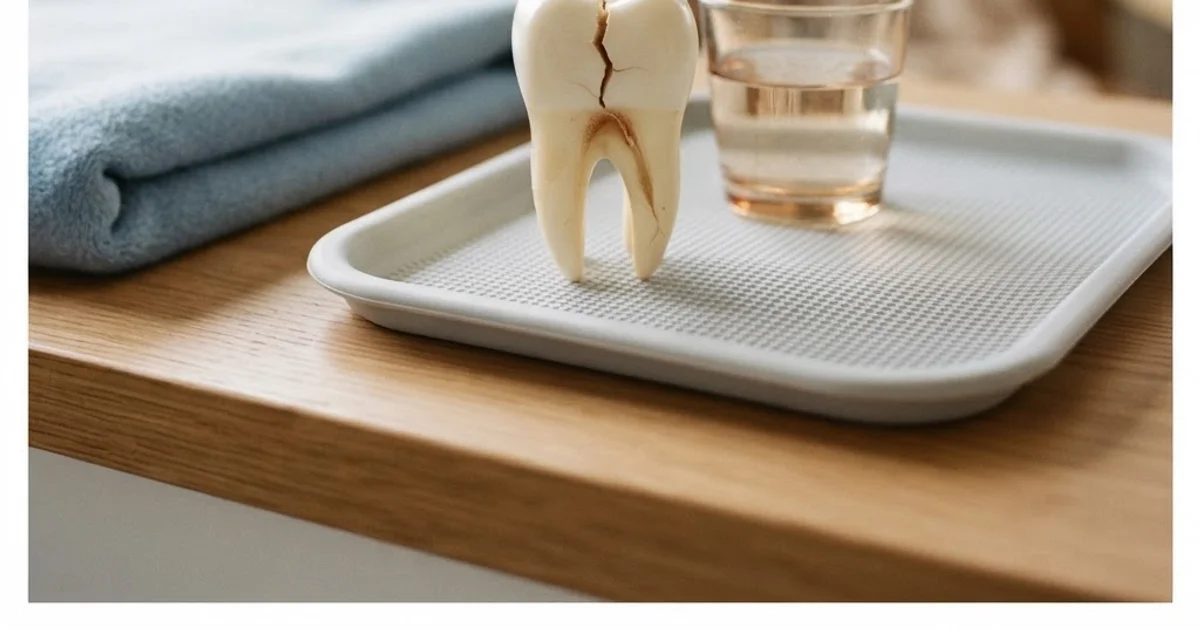
Cracked Teeth: Symptoms, Types, and Treatment
A cracked tooth can be subtle or painful. Learn the types of cracks and how we treat them before they worsen.
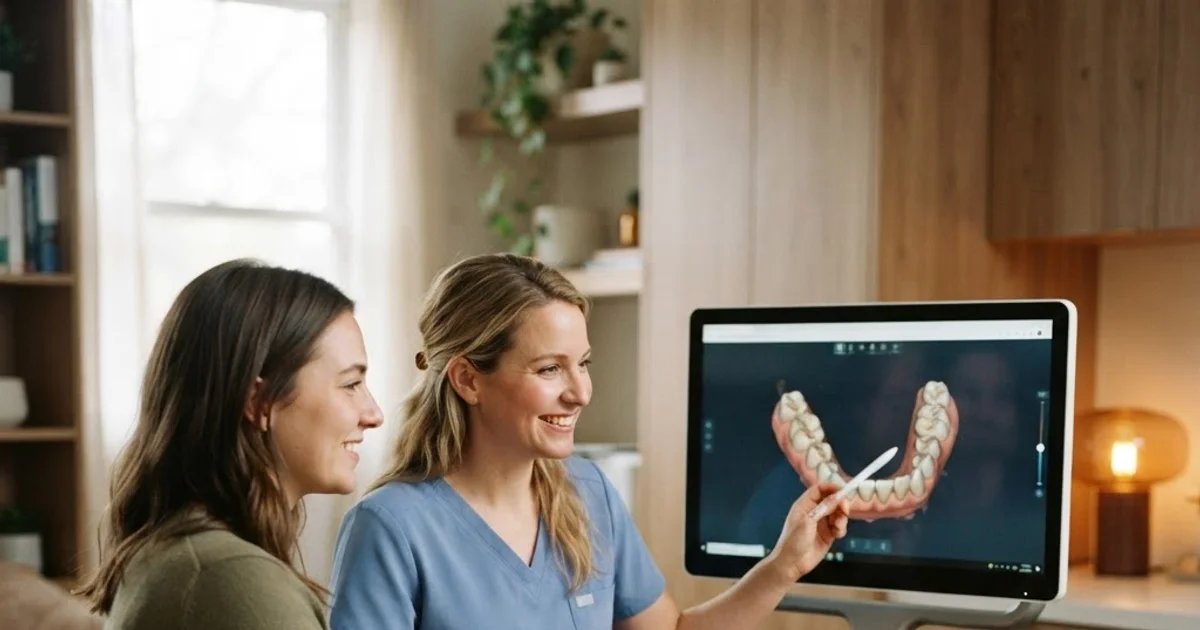
2D X-Rays vs. 3D CBCT Imaging: What Patients Should Know
Should you get a 3D scan or a regular X-ray? Here is how CBCT imaging changes the way we plan your care.

When Should You See an Endodontist?
Tooth pain is not always just a cavity. Here are the signs that an endodontist can help you faster and more effectively.
Ready to end your tooth pain?
Call us or request an appointment online. We reserve same-day visits for tooth pain and are here to help you save your tooth.
Most dental insurance plans accepted. New patients are always welcome.
Serving the Greater Seattle Area
Expert endodontic care for patients throughout the Eastside communities. Same-day emergency appointments available.
Areas We Serve
Don't see your city listed? We welcome patients from throughout the greater Seattle area. Call us to discuss your endodontic care needs.